Introduction
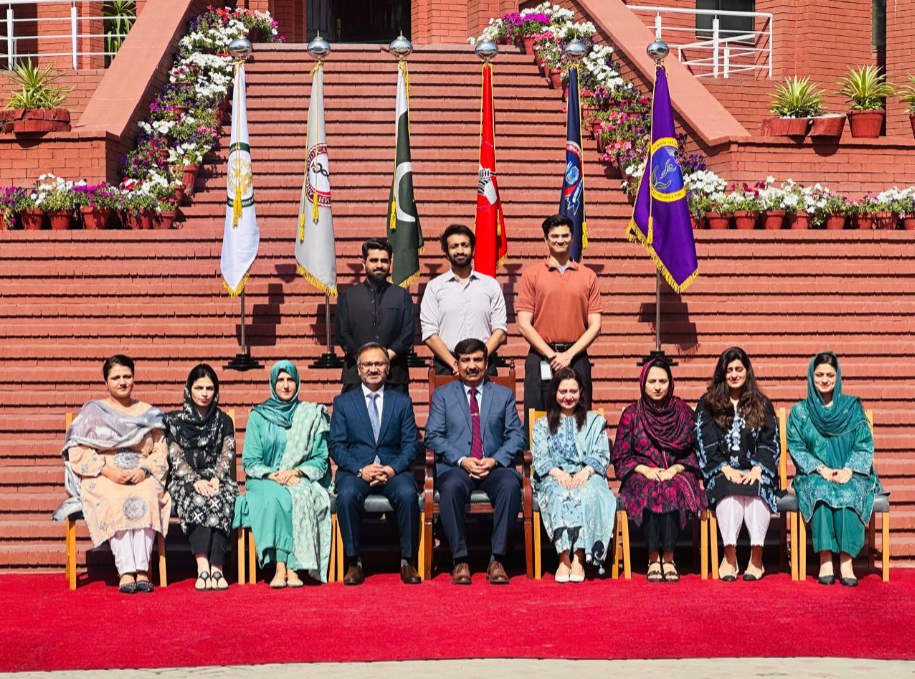
The Department of Pharmacology is one of the basic science departments, dedicated to the teaching of undergraduate, training of graduate students, and promoting research culture amongst the students. The objectives of department revolve around imparting knowledge about different aspects of drugs and their correlation with disease management, through a rationalized approach in clinical practice. To fulfil this aim, the department is equipped with an expert team of pharmacologists, a proactive support staff, advanced experimental techniques, and a state-of-the-art infrastructure.
- Academics
Pharmacology and Therapeutics is taught to MBBS (3rd year), BDS (2nd year), BSc. Nursing (2nd year), DPT (3rd year) and MIT (2nd year). The academic staff delivers lectures and conducts tutorials, small group discussions and formative and summative assessments for the undergraduate students. The department is also involved in training of FCPS Pharmacology trainees, through regular coursework, journal clubs, research-based group discussions, and clinical rotations.
- Research
The Department of Pharmacology is at the forefront of research into the effects of drugs and other molecules on biological systems, especially through in-vitro experiments performed on PowerLab, as the first step towards a greater understanding of molecular mechanisms of drugs, and their role in disease treatment. In addition, basic research techniques are taught to the undergraduate students, through pharmacy practicals and experimental pharmacology.
Head of Department
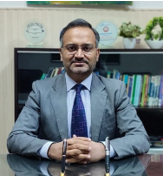
Dr. Waqar Ahmed Siddiqui
Professor & HOD-Pharmacology, Incharge Animal Research Lab / MBBS, M.Phil , MCPS, CHPE, FCPS , Ph.D. Scholar
Read MoreThe Department of Pharmacology at CMH Lahore Medical College is led by Professor Dr. Waqar Ahmed Siddiqui, MBBS, M.Phil (Pharmacology), MCPS (Family Medicine), FCPS (Pharmacology & Therapeutics), Ph.D. Scholar a seasoned academician and researcher with 12 years of teaching and clinical experience, numerous publications in national and international peer-reviewed journals. His areas of research interest include “in-vivo” and “in-vitro” pharmacological studies. He has up to date clinical experience as he is a practicing physician as well.
The department plays a pivotal role in delivering high-quality pharmacological education to students of Medicine, Dentistry, Nursing, and Allied Health Sciences at the undergraduate level. A well-structured curriculum with clearly defined goals, relevant content and robust assessment methods ensures a strong foundation in pharmacology.
To enhance student learning, the faculty employs diverse teaching strategies, incorporating regular feedback to continually refine the learning experience. Teaching methodologies include tutorials, case-based discussions, problem-based learning (PBL), and team-based learning (TBL)—all designed to bridge the gap between basic pharmacological principles and their clinical applications.
The department boasts a state-of-the-art pharmacology laboratory, equipped for in-vitro experimental studies, enabling students to explore drug mechanisms and dose-response relationships in depth. Furthermore, he is in-charge of Animal Research Lab, located on the college premises and operating under expert supervision, facilitates preclinical research including comparative drug studies using animal models.
A culture of research and innovation is actively promoted through the Office of Research, Innovation & Commercialization (ORIC), encouraging faculty and students alike to engage in meaningful research activities.
Faculty & Staff

Department Activities
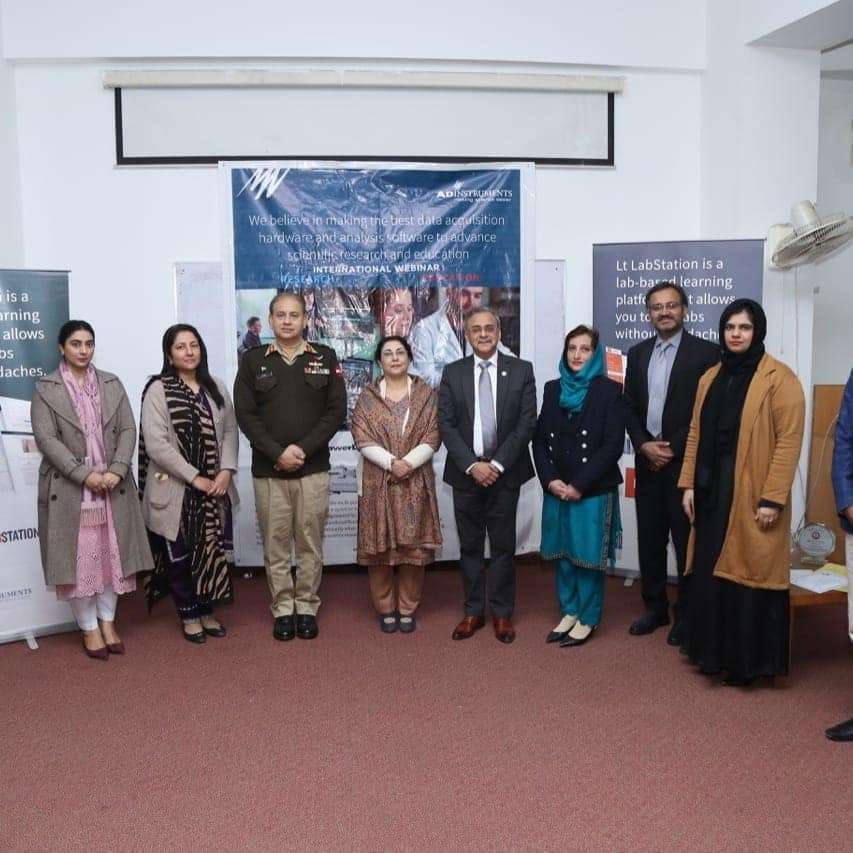
International Webinar on Use of Power Lab
International Webinar on ‘Use of Power Lab in the Acquisition and Analysis of the Effect of Different drugs on tracheal and Intestinal Muscles of Rabbit and Mice. Conducted by Pharmacology department, CMH Lahore medical college in collaboration with AD instruments on 20th December 2021 Inaugurated by Principal Maj. Gen (R) Prof Dr Naeem Naqi.
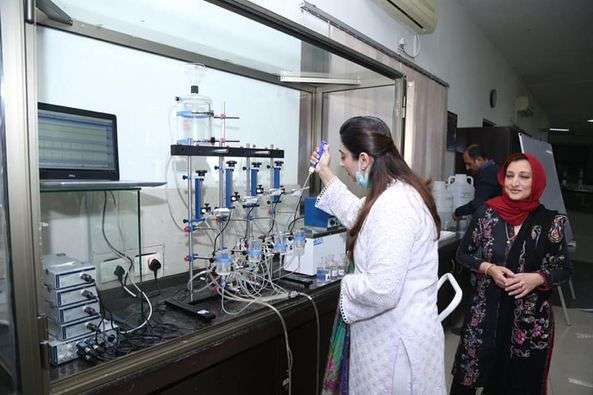
Hands on Training on Power Lab
“Hands on Training on Power Lab” arranged by The Department of Pharmacology CMH LMC Lahore & IOD. Prof Ayesha Talat arranged a training session of FCPS Pharmacology trainees with the trainees of Prof Dr.Muneeza Qayyum from Fatima Jinnah Medical University on 16th of November.